My research project this academic year, in collaboration
with fellow Ucross researcher Owen Luo, is to estimate the economic benefits of
the Blackfoot Challenge’s public-private partnerships on the local community. The
Blackfoot Challenge is a Western Montana nonprofit working with private
landowners to undertake collaborative conservation and stewardship solutions.
In contrast to the physical conservation work happening on the ground in
Montana, my work on this project involves reading a lot of economic publications,
munging financial statements, and having many fascinating conversations with
our clients. More than anything else, what I’ve gained most from this project
has come out of those biweekly client meetings.
Seth Wilson (Executive Director) and Jennifer Schoonen (Communications and Development Director) are warm, straightforward, and generous with their time and advice. They have both spent hours answering my questions about the philosophy behind conservation and the particular niche the Blackfoot Challenge fills in its community. I am new to nonprofits and land conservation, so these conversations have taught me a lot.
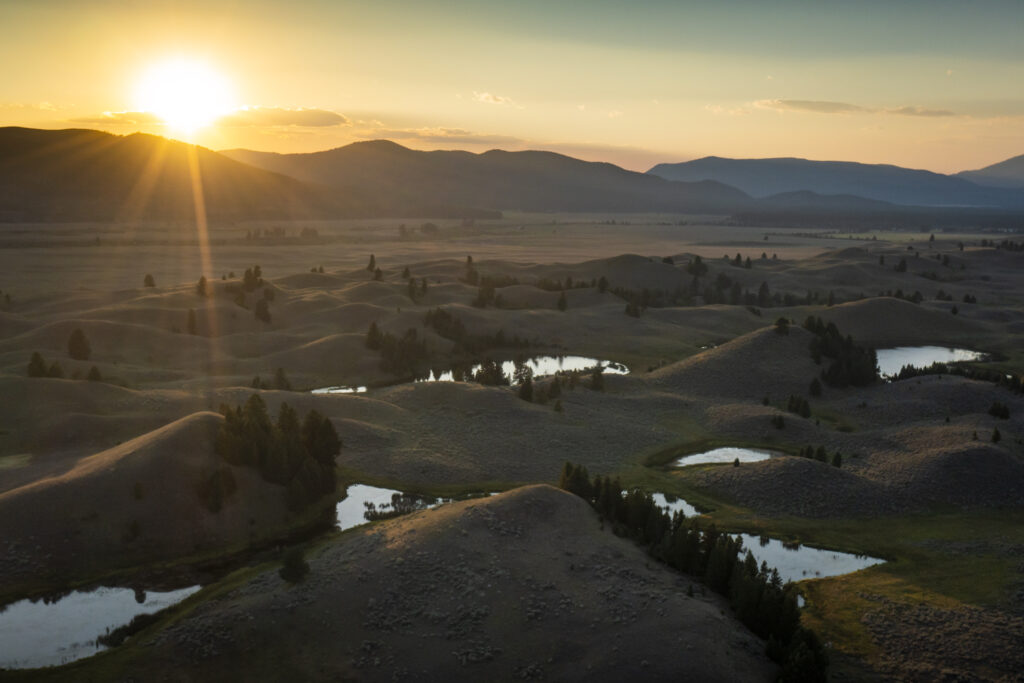
Photo Credit: Jeremy Roberts
I learned that making an impact doesn’t have to be about
creating something new or innovative. Sometimes, the biggest impact can be made
by looking at the regional landscape and improving the relationships between
existing organizations. Seth calls the Blackfoot Challenge’s role that of a
“convener”; they act as a third party to work with both public and private
actors. I was inspired by this third space and kept coming back to it
throughout the semester. Performing this role effectively requires a deep understanding
of both the land and the community. I continue to wonder: How do you avoid
excluding people from the conversation? What happens when different landowners’
interests come into conflict?
Another thing that struck me about how the Blackfoot
Challenge works is the intimacy with which they know their stakeholders.
Conservation work is political. The bulk of funding comes from state and
federal grants, which can be eliminated based on legislative and executive
priorities. But at the same time, conservation crosses ideologies by virtue of
its emphasis on place. The Blackfoot Challenge aims to “work across boundaries,
across identities,” whether they are political, geographic, or sector-based. They
do this by meeting a lot, and by working in committees to reach
agreement by consensus. Federal agencies nominate a board member so
stakeholders can put a face to each agency. There is an emphasis on community.
The Blackfoot Challenge is rooted in place. Their work both asks and addresses the fundamental questions: Who speaks for a community? How can we cross boundaries to achieve a long term shared goal? How do we establish trust, credibility, and respect across all our partners? I have taken to heart the slow, thoughtful approach they’ve brought to conservation work and hope their philosophy expands to other nonprofits and “conveners” working in the same space going forward.
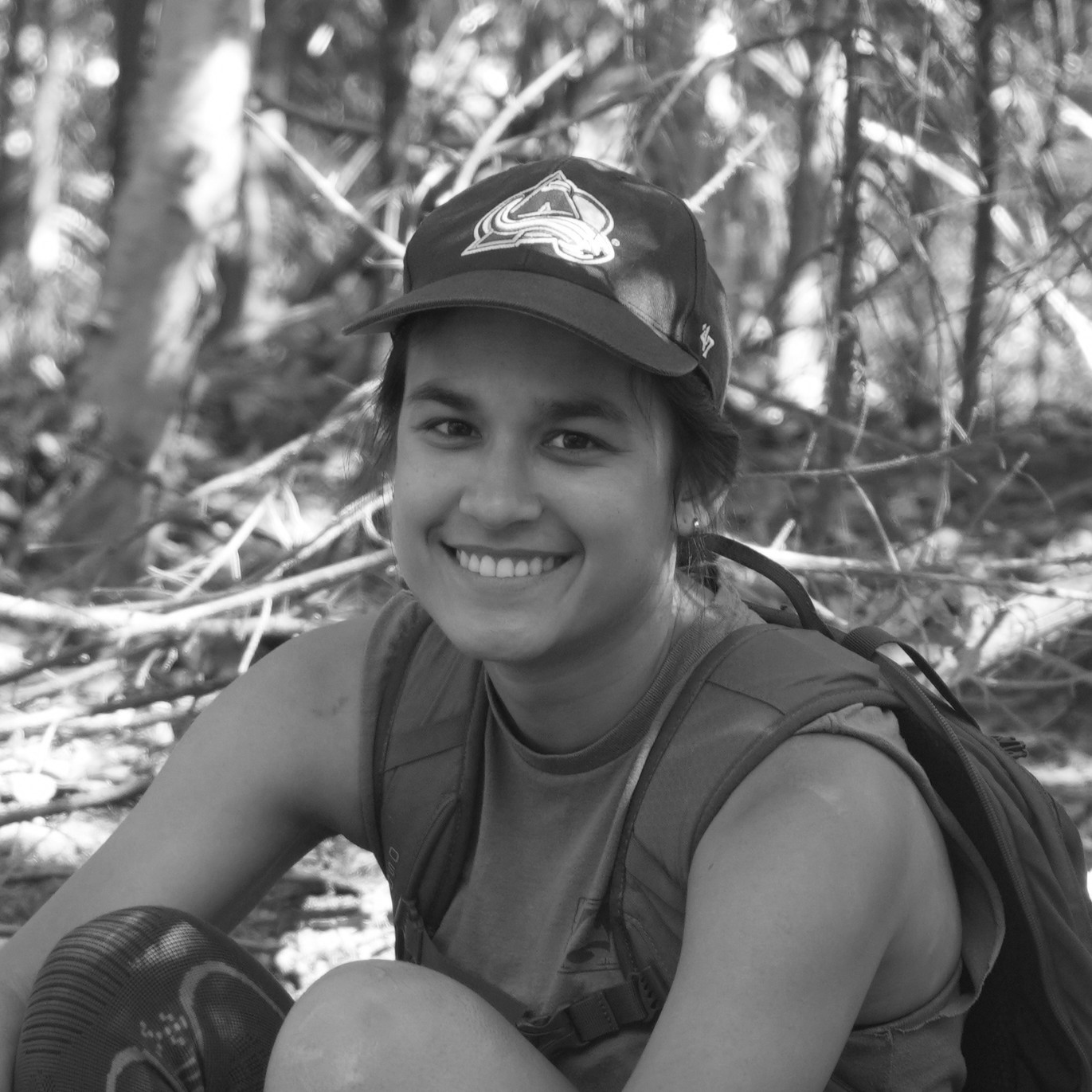
Salma Huque – Research Assistant | Salma is a Master of Environmental Management candidate specializing in Water Resources. She is interested in watershed management, public land use, and conservation in the American West. Salma holds a BA in Economics from Reed College. Her work experience includes time as an environmental consultant in Oregon, a research assistant for the USFS’s Intermountain West region, and a water conservation data scientist in western Colorado. She has a strong coding background and loves the challenge of communicating data-heavy analyses to the public. Outside of work and school, Salma can be found road cycling, knitting, and yelling at hockey players from her couch. See what Salma has been up to.